Nex Playground Review: A High-Priced, Technically Flawed Motion Console with Unexpected Kid Appeal
Expert Analysis & Methodology
This review incorporates proprietary analytical metrics developed by our expert team:
Methodology: Our metrics are calculated using information theory, design science principles, and market analysis. These proprietary calculations provide unique insights not available in standard reviews.
Reviewed by: EchologAI Expert Review Team
First Impressions: That Instant Vibe Check
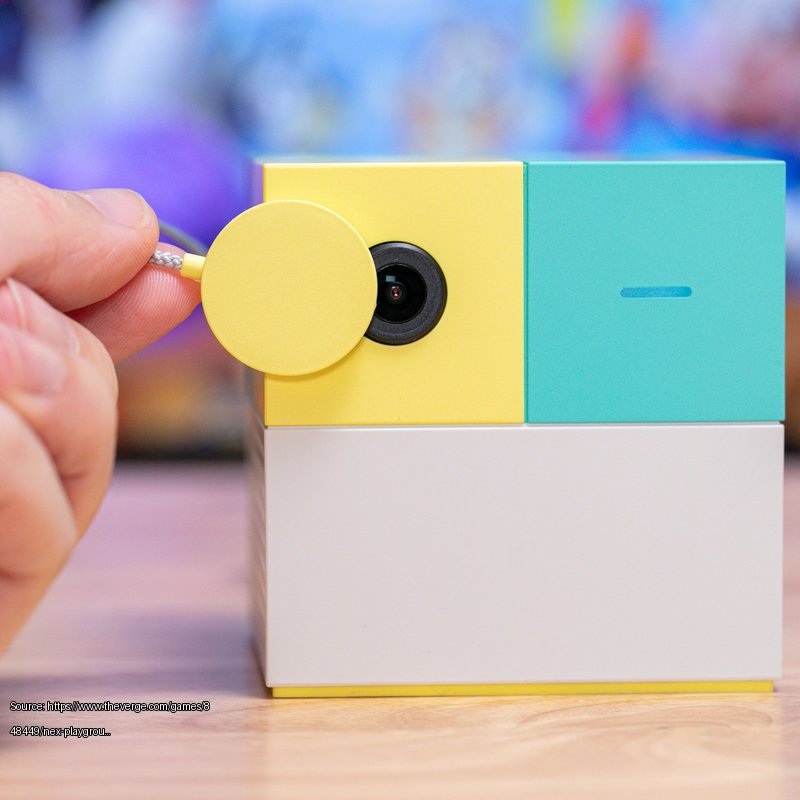
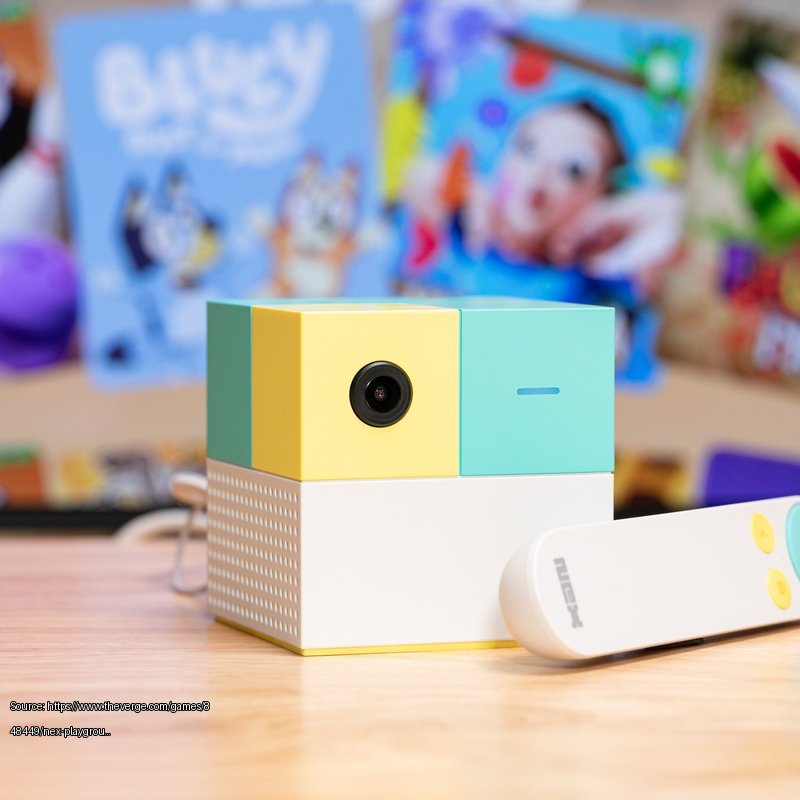
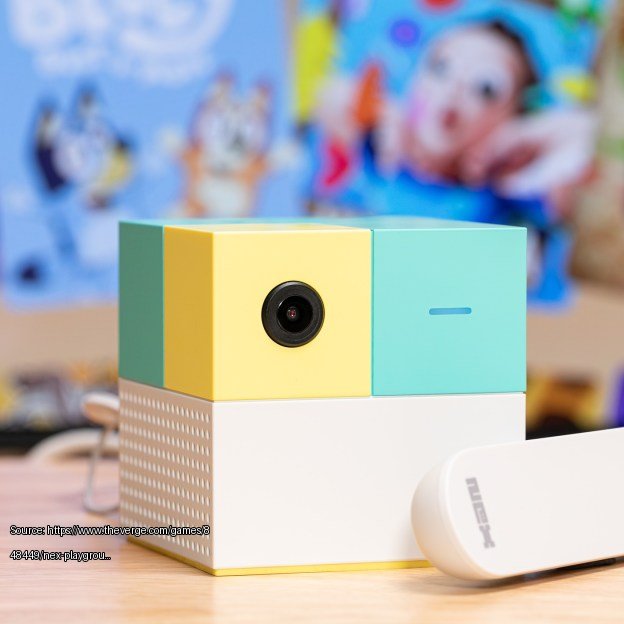
Alright, let's unbox this thing. The Nex Playground arrives as a minimalist three-inch cube—lowkey, it's giving 'I'm a console but make it minimal' energy. No controllers, no sensor bars, no extra peripherals cluttering your living room. Just a box with a single wide-angle camera on the front and HDMI and USB-C ports on the back. Setup? Dead simple. Plug it in, connect to your TV, and you're theoretically good to go.
But here's where the vibe check gets complicated. The Verge straight-up called this a "sold-out" product with surprisingly high demand, which is wild considering what we're about to dive into. The hype is real, but is the execution? That's the million-dollar question—or, more accurately, the $250-plus-subscription question.
Aesthetic Vibes: Minimalist Design, Maximum Questions
The Nex Playground's design philosophy is clear: less is more. It's a compact cube that won't dominate your entertainment center, and that's genuinely appealing. The single camera on the front handles all the motion tracking, which sounds sleek in theory—no need for separate controllers like the Nintendo Wii or a bulky sensor bar like the Microsoft Kinect.
But here's the thing: this minimalist approach comes with a cost. The device is, according to The Verge, "considerably less powerful than a typical smartphone." That's not necessarily a deal-breaker for a motion console, but it sets expectations. The physical design is clean and unobtrusive, which is a win, but the real test is how it performs, not how it looks.
Under the Hood: The Single-Camera Tracking Saga
This is where things get... interesting. The Nex Playground's core technology relies on a single wide-angle camera to track your movements. Unlike the Wii's handheld infrared camera with accelerometers or the Kinect's structured infrared light for 3D skeletal tracking, the Playground doesn't actually "see" 3D depth. Instead, it uses sophisticated software to estimate your body pose from flat images.
The system identifies just six key joints: shoulders, elbows, and hands. Sometimes, this works impressively—The Verge noted that simple actions like throwing a bowling ball can feel responsive. But here's where it falls apart: the lack of depth perception introduces severe limitations. The camera struggles significantly with multiple players, often merging body parts or assigning actions to the wrong person if they're both in the camera's view. The Verge was blunt: the tracking is "worse than either" the Wii or Kinect.
Environmental factors make it worse. The device warns against clothing with repeating patterns, long sleeves, playing in backlit rooms, and having "non-players in the camera view"—conditions that The Verge highlighted as challenging for parents to meet in a typical family setting. There's also noticeable lag behind movements, even on low-latency displays, making precision-based games frustrating.
Game Library: The Subscription Shuffle
Here's the business model that'll make you pause: after dropping $250 upfront, you need a mandatory subscription—$89/year or $49/quarter—to access the game library. That's a significant ongoing cost for what The Verge described as largely "shovelware" with "poor graphics" and "simple and inanely repetitive" gameplay.
Some games are licensed from popular brands like Bluey and Teenage Mutant Ninja Turtles, which sounds promising, but The Verge noted these often failed to hold children's attention due to repetitiveness or poor design. Many games are described as "graphically ugly" or "frustrating from the get-go." That's a tough pill to swallow when you're paying a premium for access.
However, there are bright spots. Games like "Mirrorama" (which offered magical camera filters) and "Brick Buster" (a Breakout clone) genuinely resonated with kids, proving that simple, active engagement can sometimes override poor execution.
The Kid Factor: When Joy Overrides Logic
Here's the paradox that makes this review complicated: despite all the technical flaws, children reportedly found genuine joy in the Nex Playground. The Verge's review highlighted that kids were captivated by games that didn't require precision, finding moments of pure entertainment that transcended the device's glaring limitations.
This is fascinating because it suggests that for the target audience—children who just want to move and play—the technical shortcomings matter less than the simple act of active engagement. Games that worked (like Mirrorama and Brick Buster) worked well enough to create those "laugh and cry" moments that The Verge's review title references. Fun isn't all about quality of execution, and the Nex Playground proves that sometimes, the simplest experiences can resonate the most.
Quick Hits: The Tea, Spilled
Here's the rundown for those who just want the highlights:
Pros:
- Simple Setup: No controllers, no clutter, just plug and play.
- Kid Appeal: Despite flaws, children found genuine enjoyment in certain games.
- Minimalist Design: Compact cube that won't dominate your entertainment center.
- Active Entertainment: Gets kids moving, which is a win for parents.
Cons:
- Poor Motion Tracking: Single-camera system is "worse than either" Wii or Kinect, per The Verge.
- High Cost: $250 upfront plus mandatory $89/year or $49/quarter subscription.
- Weak Game Library: Mostly "shovelware" with poor graphics and repetitive gameplay.
- Technical Limitations: Struggles with multiple players, sensitive to lighting and clothing.
- Noticeable Lag: Even on low-latency displays, movements lag behind actions.
- Frustration Factor: Children cried over stolen turns or lost progress due to tracking errors.
Wrap-Up Thoughts: Does It Slap or Flop?
The Nex Playground represents a fascinating case study in consumer electronics: a product that technically underperforms, carries a premium price tag, and offers a library of often sub-par games, yet still manages to capture the fleeting attention of its target demographic. The Verge's verdict was clear: it's "far too much money for not nearly enough game."
The single-camera tracking system is fundamentally flawed compared to its spiritual predecessors, leading to frequent frustration for both children and adults. The game library is largely underwhelming, and the subscription model adds significant ongoing cost to an already expensive device.
However, the raw, unadulterated joy experienced by kids who seemingly overlook these flaws in favor of simple, active entertainment cannot be entirely dismissed. For parents seeking a controller-free, active gaming experience for their children, the Nex Playground offers moments of genuine engagement—but those moments come at a high price and with significant caveats.
Ultimately, while it may provide occasional entertainment, it falls short of delivering a polished, reliable, or consistently high-quality experience commensurate with its cost. If you're looking for a motion gaming solution, you might be better served by dusting off that old Wii or waiting for something better.
Final Score: 4/10
Because while children found moments of joy, the technical limitations, high cost, and weak game library make this a difficult recommendation. The single-camera tracking is fundamentally flawed, the subscription model adds insult to injury, and the overall experience doesn't justify the $250-plus-subscription price tag. It's a product that proves fun can exist despite poor execution, but that's not enough to make it worth your money.
Sources & References
This article is an independent synthesis of the following reviews:
Note: We created this review based on publicly available data.
Product Images